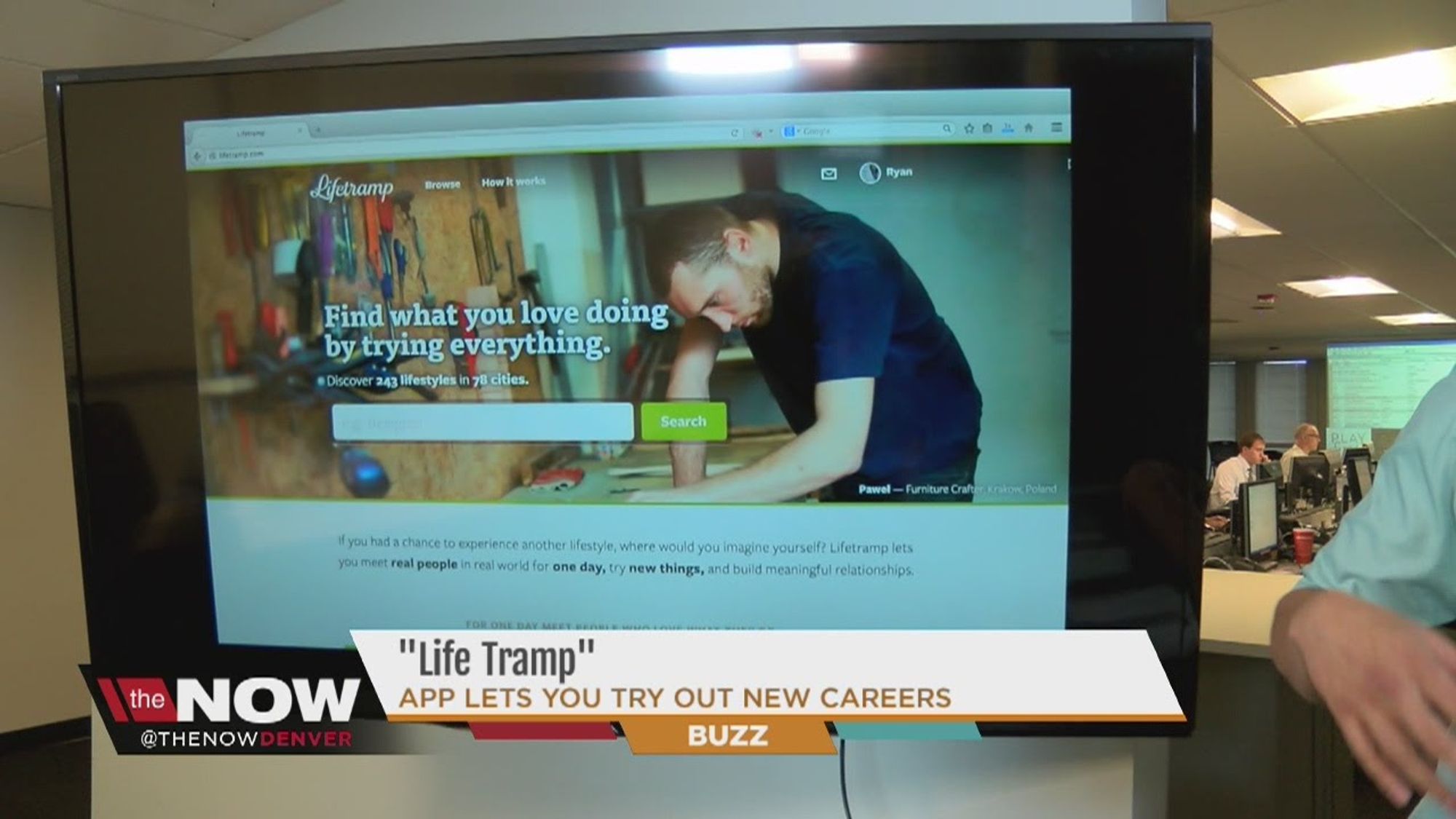
Scaling a mission-driven platform from idea to reality

Role
Founding Designer
Team
3 co-founders (biz, product/design, engineering), community team fluctuating
Collaborated with
TL;DR
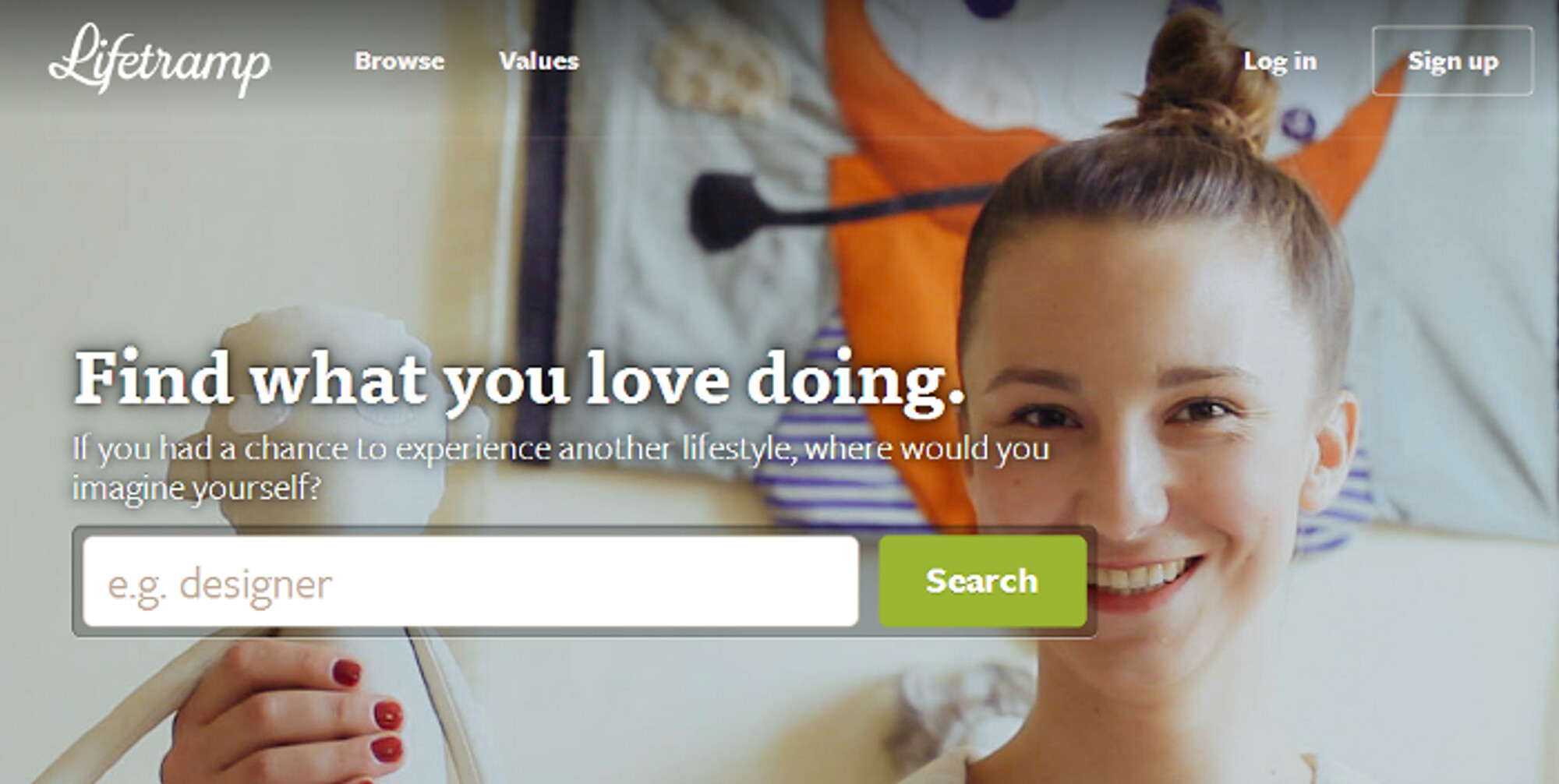
Led product & design as co-founder for career exploration marketplace from concierge MVP to 3,000+ users, Forbes coverage, and 2-season TV documentary — achieving global reach with $0 marketing spend through community-driven growth.
Sparking the conversation
Lifetramp began with discussions on career exploration, where 67% of professionals feel stuck but are afraid to change. Our early "How Might We" questions focused on creating a safe, trustworthy space for trying new paths.
How might we
build a safe space for people to try new careers?
How might we
establish trustworthy place to meet like-minded people?
What I owned
As co-founder, I owned product vision, end-to-end design, growth experiments, and team scaling.
Product strategy
Defined product vision, prioritized features, and made key pivots based on user feedback. Balanced user needs with business viability in a resource-constrained startup environment.
End-to-end design
From initial sketches to high-fidelity prototypes to production assets. Led UX research, interaction design, visual design, and design systems for a rapidly evolving product.
Brand identity
Created the visual identity, tone of voice, and brand guidelines that made Lifetramp recognizable. The brand had to feel trustworthy yet adventurous—serious about careers but not corporate.
Growth experiments
Designed and tested acquisition funnels, onboarding flows, and retention mechanisms.
Ran 50+ experiments across acquisition, activation, and retention categories, embracing continuous improvement through rapid experimentation and data-driven iteration.
Designing for trust
Building a two-sided marketplace for trust-based interactions required careful consideration of dynamics beyond typical product design. Key principles guided my decisions:
Trust as the core product
Unlike traditional marketplaces, Lifetramp dealt with in-person interactions between strangers. Every design choice—from profile verification to review systems—was filtered through "does this build or erode trust?"
Concierge before code
Before building features, we manually facilitated 100+ mentor sessions. This revealed edge cases no spec could anticipate—payment disputes, no-show policies, safety concerns. The MVP emerged from real operational knowledge, not assumptions.
Community-driven evolution
We designed with our community by inviting our most active ambassadors to participate in design reviews and product roadmap reviews, keeping the roadmap aligned with real user needs rather than internal assumptions—the best learning happens collectively through diverse perspectives.
Strategic media partnerships
Lifetramp attracted media attention through shareable user stories and authentic transformations. The TV documentary partnership resulted from creating compelling content that resonated with audiences.
From idea to impact
MVP validation
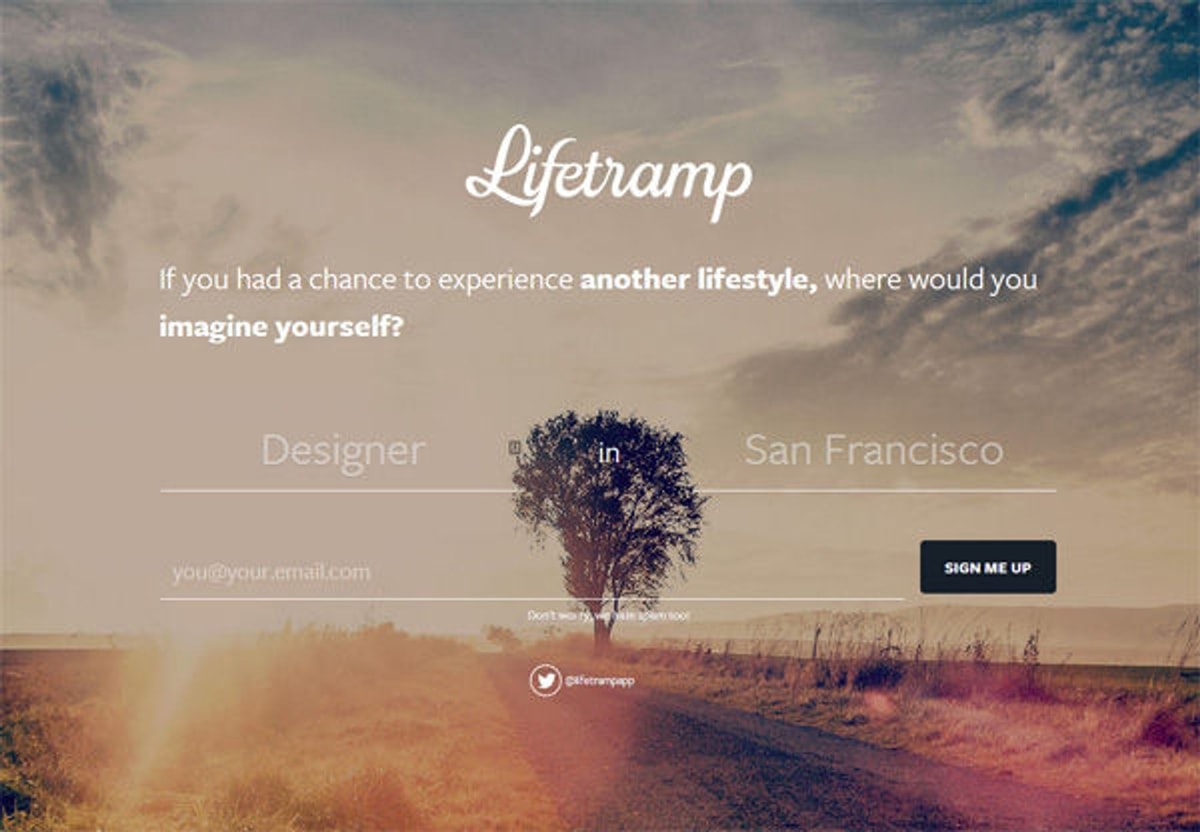
Simple landing page generated thousands of signups and unexpected press coverage. Users wanted local mentors and hands-on experiences ("Barista for a day" over theoretical shadowing).
Concierge to platform
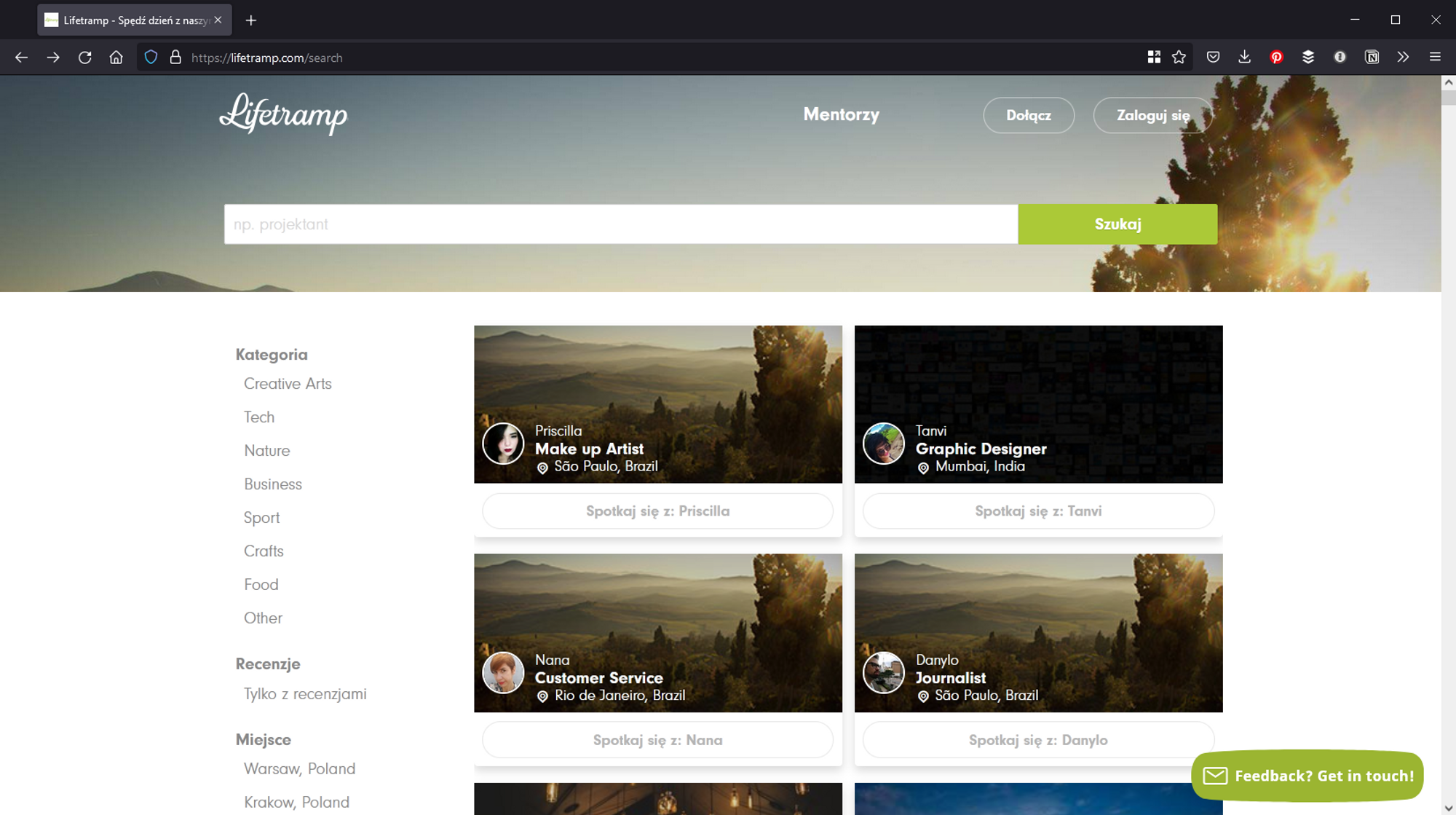
Manually matched 100+ pairs to stress-test trust and logistics before building tech. Added reviews, no-show penalties, and humanized profiles (Airbnb playbook).
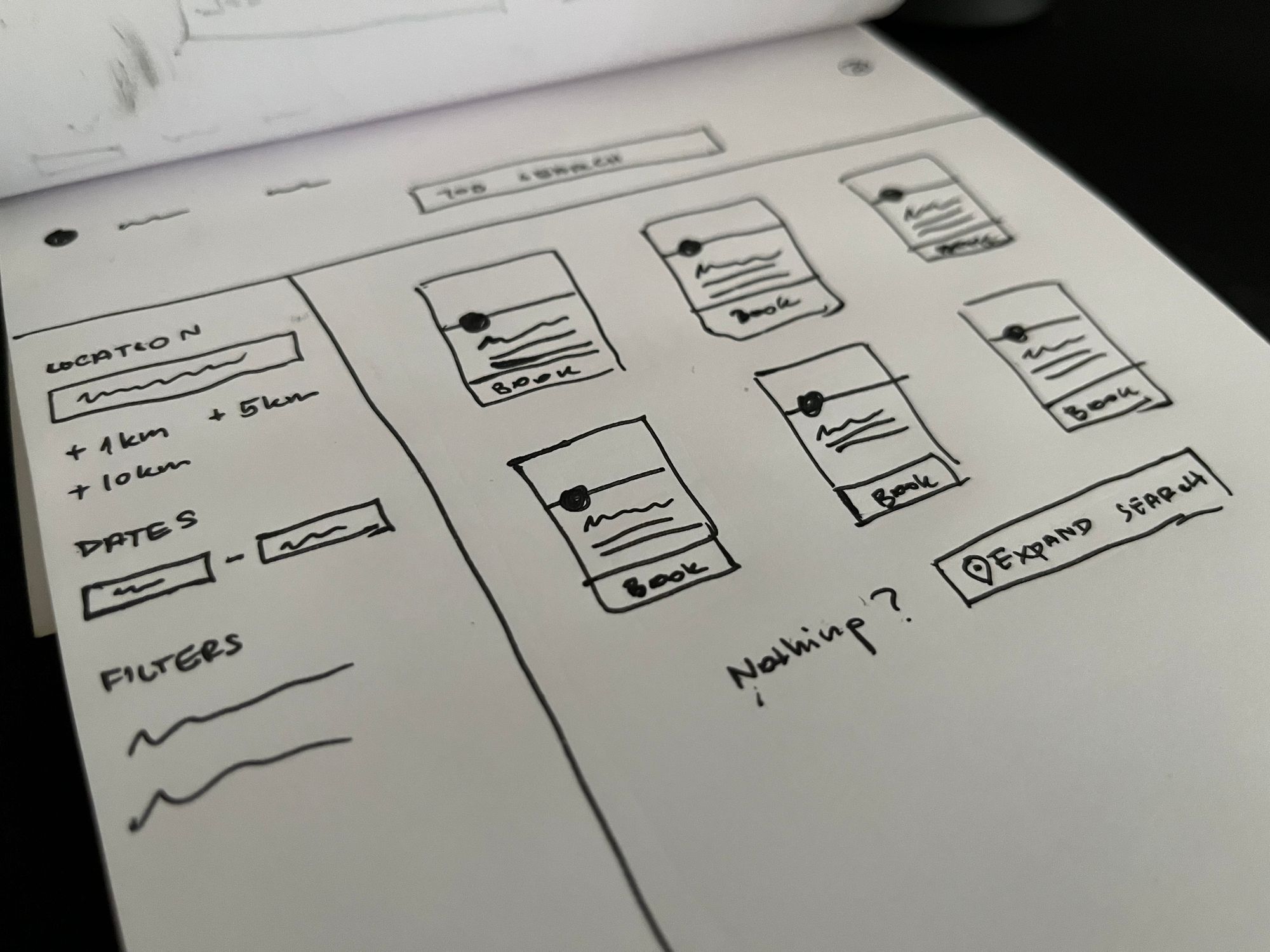
Key findings that shaped product architecture:
Verification
Users scrutinized profile photos and put extra value on having real-life photos of the workspace.
Safety
Users asked "Is this person real?" not "What's their expertise?" Designed human-moderated profile approval and sent a photographer to featured mentors to take professional photos.
After finishing the concierge phase, we launched the platform in limited beta, targeting specific roles and markets with vetted and trained ambassador mentors.
3,015
Users in closed beta
108
Bookings completed
$0
Marketing spend
Scaling trust through social proof
Organic acquisition wasn't an accident—we designed shareable moments that amplified word-of-mouth. Our most effective growth strategy: post-session share cards featuring mentor and explorer together (with consent).
Social proof mechanism
After each session, users received shareable cards showing the mentor and explorer together. These cards appeared in users' social feeds, creating authentic word-of-mouth marketing that traditional paid campaigns couldn't match.
Result: Organic acquisition drove 3,015 beta signups with $0 marketing spend.
Consent-first design
Every share card request was opt-in with explicit consent. We built trust into the feature itself: users had to see the preview image and approve before it could be shared, reinforcing our commitment to privacy and user control.


Monetization & partnerships
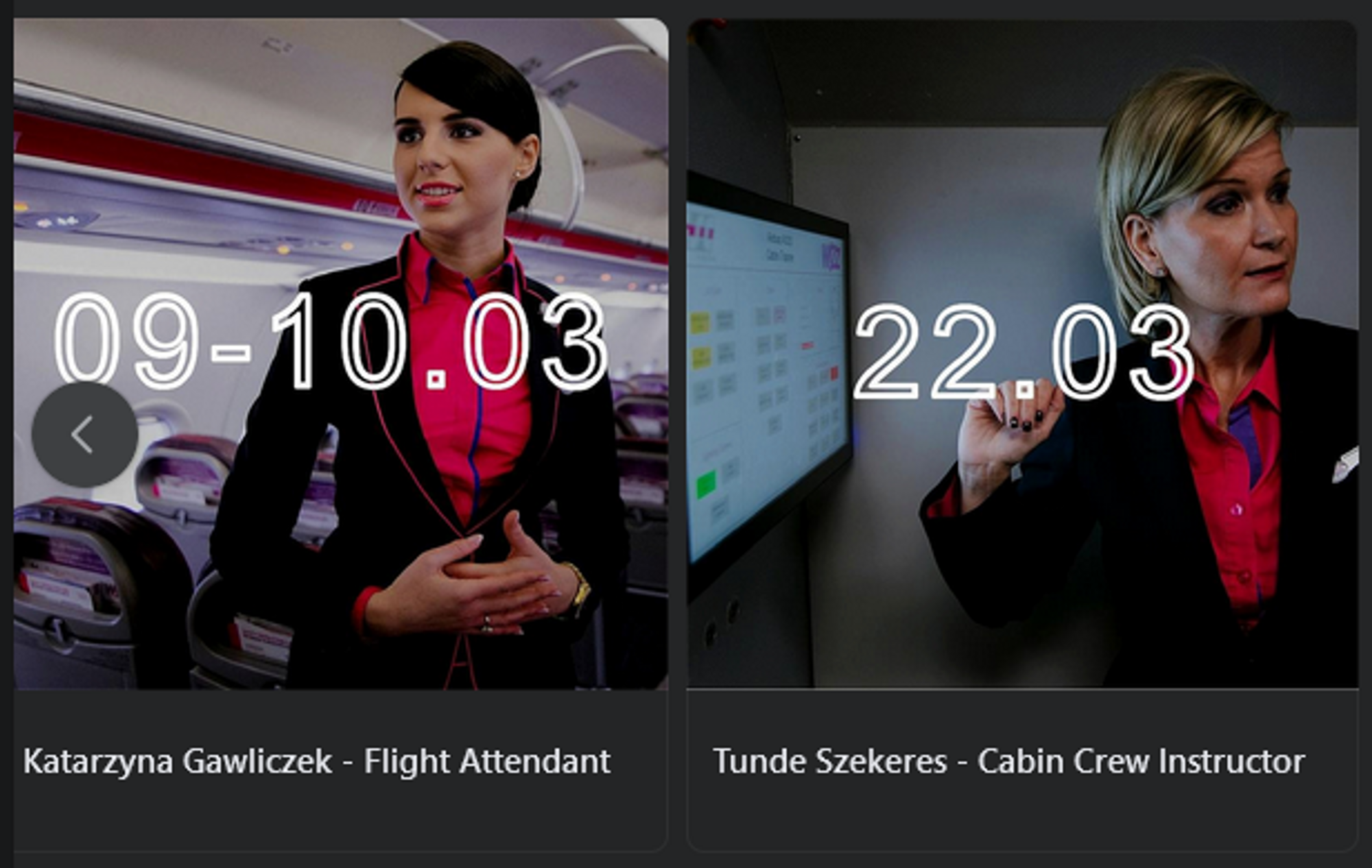
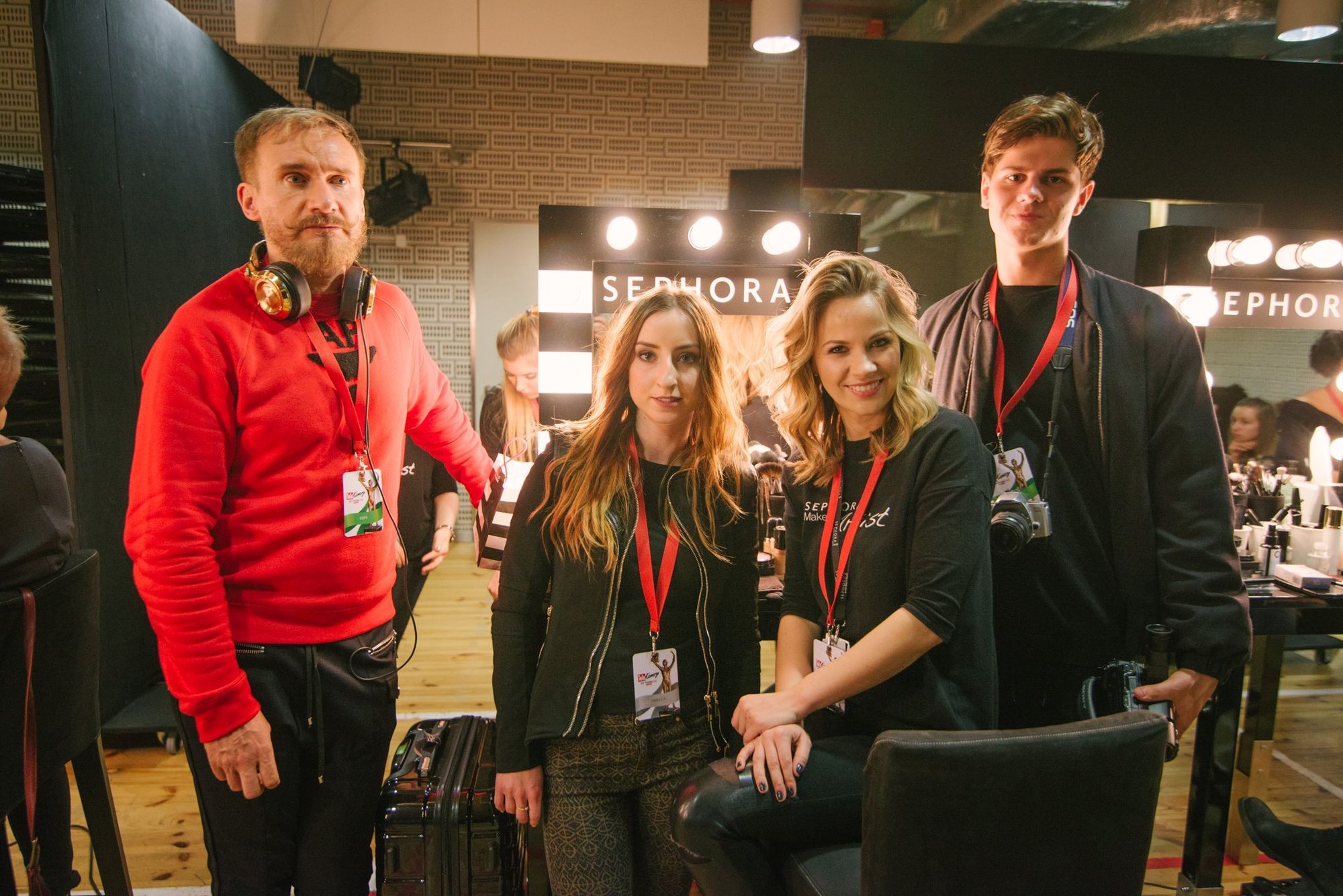
Tested corporate partnerships (Sephora, WizzAir), NGO donations, and paid experiences. Corporate partnerships worked well—Sephora let mentees join a professional TV make-up artist on set of one of the biggest TV shows in Poland, while WizzAir offered a day in cabin crew training. These unique experiences created strong engagement.
We explored an alternative model where mentors could donate their earnings to a non-profit instead of keeping the money. This aligned with the community's values, but we didn't manage to roll it out fully before running out of financial runway.


Cultural impact
Partnered with Planete+ for 2-season TV documentary showcasing user journeys, demonstrating the concept's cultural relevance.

What worked
Strong market validation
From day one, the response was overwhelming. Thousands signed up. Mentors eagerly shared their stories. Explorers couldn't wait to try something new. We tapped into a universal human need.
Concierge MVP proved demand
Before writing code, we manually matched 100+ mentor-mentee pairs. This proved people would actually show up, trust each other, and have meaningful experiences.
Self-sustaining growth
Once launched, the community took over. Users spread the word organically, mentors recruited new guides. Self-sustaining growth through network effects. Word of mouth was our primary acquisition channel.
Media recognition
Forbes wrote about us. Fast Company featured us. Planete+ turned our story into a 2-season TV documentary. Real people, real transformations, careers being reimagined.
What didn't work
Monetization hesitation
Mentors were genuinely passionate about helping others explore careers but were hesitant to take money for sharing their expertise. We proposed a "donate all profit to charity" mechanism, letting mentors allocate earnings to non-profits instead of keeping them. The community liked this approach, but we ran out of runway before implementing it fully.
Runway constraints blocked pivot
Corporate partnerships (Sephora, WizzAir) showed a clear path to B2B revenue with premium pricing. But we ran out of financial runway before executing the pivot. Lesson: pressure-test unit economics during concierge phase, not after achieving product-market fit.
Lessons I learned
Building community requires iteration. Start small, validate with real users, and continuously refine based on feedback.
Concierge MVPs reveal what specs miss
Before writing code, manually facilitate 100+ interactions. You'll discover edge cases and user needs no product spec could predict.
Trust design is not cosmetic
Every design decision filters through "does this build or erode trust?" Safety and transparency aren't afterthoughts—they're foundational.
Community first, marketing second
$0 marketing isn't a brag—it's a strategy. Build systems that let your best users become your best marketers.
Make your product story-worthy
Build systems that let users share their experiences. Design content that others want to talk about, and create opportunities for organic word-of-mouth growth.
Need someone with broad product experience?
Get in touch